
Mohanur, Namakkal District, Tamil Nadu — 637015 Dakshinavahini Kaveri River • Southern Railway (MONR)

History of Mohanur

Tracing the historical roots, literary references in Saivite hymns, Nayak era architectural patronage, regional Kongu heritage, and time-honored oral traditions.

Advertisement
Responsive Ad Unit • Google AdSense Leaderboard / Banner • 728×90 | 970×90 | 320×100
Editorial Note on Historical Authenticity: This section distinguishes documented literary and architectural records from revered local religious traditions. In accordance with strict factual standards, unverified dates or speculative rulers are not presented as established history.

Thevaram Vaippu Sthalam & Sacred Antiquity

Mohanur's antiquity is prominently evidenced in classical Tamil devotional literature. The ancient Shaivite shrine of Sri Achaladeepeswarar in Mohanur is documented as a Thevaram Vaippu Sthalam—a sacred place mentioned in the reverent 7th-century hymns of Saint Appar (Thirunavukkarasar Swamigal).

According to temple records and traditional lore, the sanctuary was renowned for its unwavering flame (*Achala Deepam* / *Ananya Vilakku*), an oil lamp in the sanctum sanctorum that remains undisturbed even by external currents of air. Legend attributes the maintenance of this sacred lamp to Beejavaba Maharishi, whose figure is commemorated upon a stone pillar within the temple mandapa.

The town's location on the sacred banks of the Kaveri River, where the river flows towards the south (*Dakshinavahini*), has drawn ascetics and pilgrims for over a millennium.
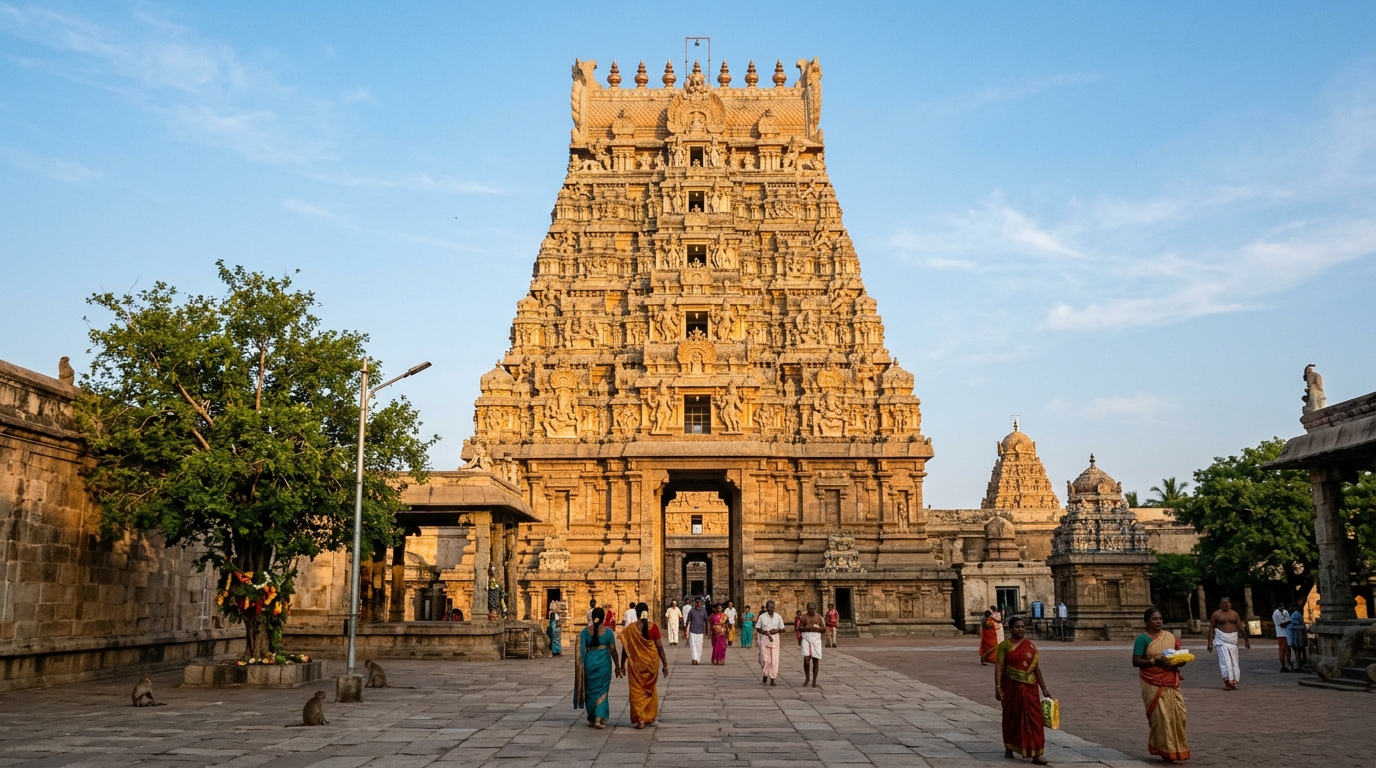
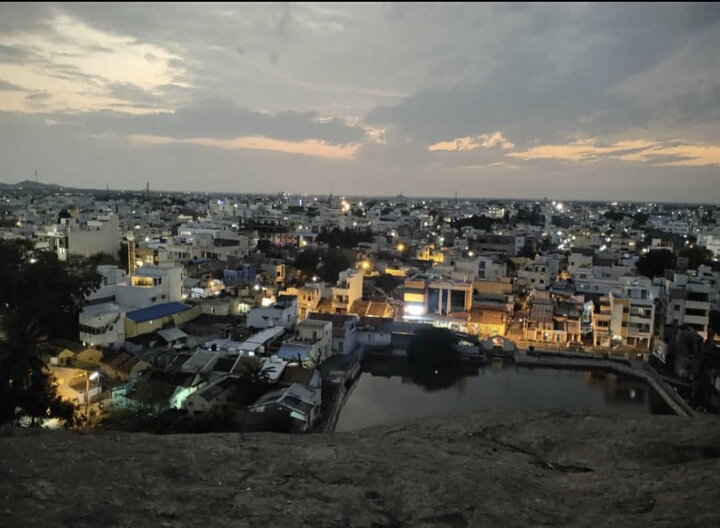
Ancient Temple Rajagopuram at Mohanur
Historic stone temple architecture reflecting centuries of dynastic patronage and reverence.

Origins of the Name "Mohanur"

Multiple explanations exist in traditional lore and historical linguistics regarding the origin of Mohanur's name.

Mohini Avatar Legend

One prominent religious belief associates the name with the divine encounter where Lord Shiva beheld Lord Vishnu in his enchanting *Mohini* avatar. The sacred spot where this manifestation occurred came to be celebrated as Mohiniyur, eventually evolving into Mohanur.

Maganur (Son & Mother)

Another oral account connects the town to Lord Muruga. According to this folklore, Lord Muruga, while searching for his mother Parvathi, was embraced by River Ganga here. The tender mother-son (*Magan*) bond led to the naming of the locality as Maganur, which gradually transformed into Mohanur.

Mugavanur (Trade & Agents)

An etymological and occupational interpretation links the name to Mugavanur, referring to an ancient settlement of commercial middlemen and riverfront agents (*Mugavargal*) who facilitated trade along the vital Kaveri waterway across the Kongu belt.

The Kongu Realm & Sendamangalam Palayakkars

Mohanur lies within the ancient historical region of Kongu Nadu. Throughout the early and medieval eras, the broader Namakkal area was influenced by the Cheras, the medieval Cholas, the Hoysalas, and later incorporated under the Vijayanagara Empire and the Nayaks of Madurai.

During the 16th and 17th centuries under the Madurai Nayak administrative system, the region of Namakkal was governed by the Palayakkarars of Sendamangalam (notably rulers such as Ramachandra Nayakar). Historical temple records at Mohanur's Achaladeepeswarar Temple credit the Sendamangalam chieftains with constructing substantial stone mandapas, renovating sacred shrines, and establishing daily pooja endowments for the temple.

Following the Nayak era, the region transitioned through the regimes of the Kingdom of Mysore (under Hyder Ali and Tipu Sultan) before coming under British administration as part of Salem District, eventually emerging as part of the modern Namakkal District.

Historical Namakkal Rock Fort connected to the region's Nayak rulers
The monolithic Namakkal Fort, built during the 16th-17th centuries by regional Nayak rulers.
Advertisement
In-Article Native Ad • Google AdSense Responsive Unit • 728×90 | 300×250

Timeline of Documented Milestones

Key documented epochs reflecting the spiritual, architectural, and modern growth of Mohanur.

c. 7th Century CE

Thevaram Hymns of Saint Appar

Saint Thirunavukkarasar (Appar) references the sacred shrine in his Thevaram hymns, establishing the antiquity of the Saivite shrine as a recognized Vaippu Sthalam.

16th – 17th Century CE

Nayak & Palayakkarar Architectural Patronage

The Palayakkarars of Sendamangalam, feudatories under the Madurai Nayaks, undertake substantial structural enhancements, stone carving, and religious endowments at Mohanur's temples.

20th Century

Establishment of the Co-operative Sugar Mill

The establishment of the Salem Co-operative Sugar Mill transforms Mohanur into a prominent agro-industrial center for sugarcane cultivation across the Kaveri basin.

21st Century

Modern Connectivity & Taluk Stature

The inauguration of the high-level Mohanur–Vangal Bridge across the Kaveri, the introduction of passenger trains on the Salem–Karur railway line at Mohanur Station (MONR), and administrative creation of Mohanur Taluk in Namakkal District.